Hello viewers, Something interesting topics here we are posting for everyone who wants to know about genuine information, we are writing viral blog post here with video, image and written content to online users, check out our posts with ITS A VIRAL WORLD content.

Email Subscription

Enter your email address:

Delivered by FeedBurner

Translate

Sunday, 22 March 2020

March 22, 2020

We support public curfew and lock down, we respect the decision of our government, but... जनता कर्फ्यू और लॅक डाउन का हम समर्थन करते है हमारी सरकार की फैसले का हम आदर करते है पर

Stop Corona

जनता  कर्फ्यू और  लॅक  डाउन  का  हम  समर्थन  करते  है  हमारी  सरकार  की  फैसले  का  हम  आदर  करते  है  पर  जगभर  में  कोरोना  का  जो  आतंग  फैला  है  उसके  लिए  हम  मनुष्य  ही  जिम्मेदार  है  इसके  पीछे  दो  बाते  हो  सकती  है, बायो  वेपन्स  बनाना,  और  ग्लोबल  वार्मिंग,  इसी  कारन  से  हम  स्वार्थी  मनुष्य  आज  घरो  के  अन्दर लॉक  डाउन  हो  गए  है  क्या  हमको  जरा  भी  गिल्ट  फील नहीं  होता  की  जब  हमारी  जान  पे  बन  आयी  तो  हम  घरो  के  अन्दर  घुस  गए  भगोड़ो की जैसे  क्या  बाहर  जीवन  नहीं  है  पेड़, पौधे , पक्षी, जानवर, यह  सभी  तो  बाहर  है  उनका  किसीने  ख्याल  नहीं  किया  वाह  रे  मनुष्य...


आज  जिस  तरह  से  हम  घरो  के  अन्दर  बंद  है  एक  दिन  ऐसा  भी  आएगा  की  हम  घर  से  बाहर  जाना  चाहेंगे  पर  जा  ना  सकेंगे  क्यंकि  तब  तक ग्लोबल  वार्मिंग  से  पर्यावरण  इतना  बदल  जाएगा  की  हमें  दिन  में बाहर  नहीं  निकलते  आयेंगा , क्यंकि  तब  तक  पृथ्वी  का  तापमान   मंगल  ग्रह  की  तरह  बढ़  जायेंगा , आज  तो  सिर्फ  कॉरोना  है  आगे  चल  कर  इससे  भी  ज्यादा  जानलेवा बीमारिया आयेंगी  अगर  हम  मनुष्यो  ने  हमारी  बुरी  आदते  नहीं  बदली तो , हमारी  डिमांड्स  के  वजह  से  ही  पेड़  और  जानवर  काटते  आये  है  जिससे पर्यावरण का संतुलन बिघड रहा है क्यों  न  हम  संकल्प   ले  की  हमारी  डिमांड्स  बंद  कर  देंगे  और  स्वछता रखकर पर्यावरण  को  बचाएंगे.

➽Affordable and premium web services for a lifetime with ADISHAKTI WEB SOLUTIONS

Sunday, 15 March 2020

March 15, 2020

Did you know, unknown fact about Coronavirus disease, Coronaviruses are a group of related viruses that cause diseases in mammals and birds.


Coronavirus disease 2019 (COVID-19)

Coronavirus disease 2019 (COVID-19)

In December 2019, a pneumonia outbreak was reported in Wuhan, China. On 31 December 2019, the outbreak was traced to a novel strain of coronavirus, which was given the interim name 2019-nCoV by the World Health Organization (WHO), later renamed SARS-CoV-2 by the International Committee on Taxonomy of Viruses. Some researchers have suggested that the Huanan Seafood Wholesale Market may not be the original source of viral transmission to humans.


Human coronaviruses
Coronaviruses vary significantly in risk factor. Some can kill more than 30% of those infected (such as MERS-CoV), and some are relatively harmless, such as the common cold. Coronaviruses cause colds with major symptoms, such as fever, and sore throat from swollen adenoids, occurring primarily in the winter and early spring seasons. Coronaviruses can cause pneumonia (either direct viral pneumonia or a secondary bacterial pneumonia) and bronchitis (either direct viral bronchitis or a secondary bacterial bronchitis). The much publicized human coronavirus discovered in 2003, SARS-CoV, which causes severe acute respiratory syndrome (SARS), has a unique pathogenesis because it causes both upper and lower respiratory tract infections.


Seven strains of human coronaviruses are known:
Human coronavirus 229E (HCoV-229E)
Human coronavirus OC43 (HCoV-OC43)
Severe acute respiratory syndrome coronavirus (SARS-CoV)
Human coronavirus NL63 (HCoV-NL63, New Haven coronavirus)
Human coronavirus HKU1
Middle East respiratory syndrome-related coronavirus (MERS-CoV), previously known as novel coronavirus 2012 and HCoV-EMC
Severe acute respiratory syndrome coronavirus 2 (SARS-CoV-2), previously known as 2019-nCoV or "novel coronavirus 2019"
The coronaviruses HCoV-229E, -NL63, -OC43, and -HKU1 continually circulate in the human population and cause respiratory infections in adults and children world-wide.

Illustration of the morphology of coronaviruses; the club-shaped viral spike peplomers, coloured red, create the look of a corona surrounding the virion, when viewed electron microscopically

As of 14 March 2020, there have been at least 5,789 confirmed deaths and more than 153,503 confirmed cases in the coronavirus pneumonia pandemic. The Wuhan strain has been identified as a new strain of Betacoronavirus from group 2B with approximately 70% genetic similarity to the SARS-CoV. The virus has a 96% similarity to a bat coronavirus, so it is widely suspected to originate from bats as well. The pandemic has resulted in serious travel restrictions.


Coronaviruses are a group of related viruses that cause diseases in mammals and birds. In humans, coronaviruses cause respiratory tract infections that are typically mild, such as some cases of the common cold (among other possible causes, predominantly rhinoviruses), though rarer forms can be lethal, such as SARS, MERS, and COVID-19. Symptoms vary in other species: in chickens, they cause an upper respiratory tract disease, while in cows and pigs they cause diarrhea. There are yet to be vaccines or antiviral drugs to prevent or treat human coronavirus infections.

Coronaviruses constitute the subfamily Orthocoronavirinae, in the family Coronaviridae, order Nidovirales, and realm Riboviria. They are enveloped viruses with a positive-sense single-stranded RNA genome and a nucleocapsid of helical symmetry. The genome size of coronaviruses ranges from approximately 27 to 34 kilobases, the largest among known RNA viruses. The name coronavirus is derived from the Latin corona, meaning "crown" or "halo", which refers to the characteristic appearance reminiscent of a crown or a solar corona around the virions (virus particles) when viewed under two-dimensional transmission electron microscopy, due to the surface covering in club-shaped protein spikes.

Discovery
Coronaviruses were first discovered in the 1960s. The earliest ones discovered were an infectious bronchitis virus in chickens and two in human patients with the common cold (later named human coronavirus 229E and human coronavirus OC43). Other members of this family have since been identified, including SARS-CoV in 2003, HCoV NL63 in 2004, HKU1 in 2005, MERS-CoV in 2012, and SARS-CoV-2 (formerly known as 2019-nCoV) in 2019. Most of these have involved serious respiratory tract infections.

Electron micrograph of avian infectious bronchitis virus

Etymology
The name "coronavirus" is derived from Latin corona, meaning "crown" or "wreath", itself a borrowing from Greek κορώνη korṓnē, "garland, wreath". The name refers to the characteristic appearance of virions (the infective form of the virus) by electron microscopy, which have a fringe of large, bulbous surface projections creating an image reminiscent of a crown or of a solar corona. This morphology is created by the viral spike peplomers, which are proteins on the surface of the virus .

3D medical animation coronavirus structure

Morphology
Coronaviruses are large pleomorphic spherical particles with bulbous surface projections. The diameter of the virus particles is around 120 nm. The envelope of the virus in electron micrographs appears as a distinct pair of electron dense shells.

The viral envelope consists of a lipid bilayer where the membrane (M), envelope (E) and spike (S) structural proteins are anchored. A subset of coronaviruses (specifically the members of Betacoronavirus subgroup A) also have a shorter spike-like surface protein called hemagglutinin esterase (HE).

Inside the envelope, there is the nucleocapsid, which is formed from multiple copies of the nucleocapsid (N) protein, which are bound to the positive-sense single-stranded RNA genome in a continuous beads-on-a-string type conformation. The genome size for coronaviruses ranges from approximately 27 to 34 kilobases. The lipid bilayer envelope, membrane proteins, and nucleocapsid protect the virus when it is outside the host cell.


Coronavirus replication

Replication
Infection begins when the virus enters the host organism and the spike protein attaches to its complementary host cell receptor. After attachment, a protease of the host cell cleaves and activates the receptor-attached spike protein. Depending on the host cell protease available, cleavage and activation allows cell entry through endocytosis or direct fusion of the viral envelop with the host membrane.

On entry into the host cell, the virus particle is uncoated, and its genome enters the cell cytoplasm. The coronavirus RNA genome has a 5′ methylated cap and a 3′ polyadenylated tail, which allows the RNA to attach to the host cell's ribosome for translation. The host ribosome translates the initial overlapping open reading frame of the virus genome and forms a long polyprotein. The polyprotein has its own proteases which cleave the polyprotein into multiple nonstructural proteins.

A number of the nonstructural proteins coalesce to form a multi-protein replicase-transcriptase complex (RTC). The main replicase-transcriptase protein is the RNA-dependent RNA polymerase (RdRp). It is directly involved in the replication and transcription of RNA from an RNA strand. The other nonstructural proteins in the complex assist in the replication and transcription process. The exoribonuclease non-structural protein for instance provides extra fidelity to replication by providing a proofreading function which the RNA-dependent RNA polymerase lacks.

One of the main functions of the complex is to replicate the viral genome. RdRp directly mediates the synthesis of negative-sense genomic RNA from the positive-sense genomic RNA. This is followed by the replication of positive-sense genomic RNA from the negative-sense genomic RNA. The other important function of the complex is to transcribe the viral genome. RdRp directly mediates the synthesis of negative-sense subgenomic RNA molecules from the positive-sense genomic RNA. This is followed by the transcription of these negative-sense subgenomic RNA molecules to their corresponding positive-sense mRNAs.

The replicated positive-sense genomic RNA becomes the genome of the progeny viruses. The mRNAs are gene transcripts of the last third of the virus genome after the initial overlapping reading frame. These mRNAs are translated by the host's ribosomes into the structural proteins and a number of accessory proteins. RNA translation occurs inside the endoplasmic reticulum. The viral structural proteins S, E, and M move along the secretory pathway into the Golgi intermediate compartment. There, the M proteins direct most protein-protein interactions required for assembly of viruses following its binding to the nucleocapsid. Progeny viruses are then released from the host cell by exocytosis through secretory vesicles.

Symptoms of coronavirus disease

Transmission
Human to human transmission of coronaviruses is primarily thought to occur among close contacts via respiratory droplets generated by sneezing and coughing. The interaction of the coronavirus spike protein with its complement host cell receptor is central in determining the tissue tropism, infectivity, and species range of the virus. The SARS coronavirus, for example, infects human cells by attaching to the angiotensin-converting enzyme 2 (ACE2) receptor.

Monday, 9 March 2020

March 09, 2020

क्या आप होली के बारे में कुछ चौकाने वाले तथ्य जानना चाहेंगे। Would you like to know some interesting fact about Holi.


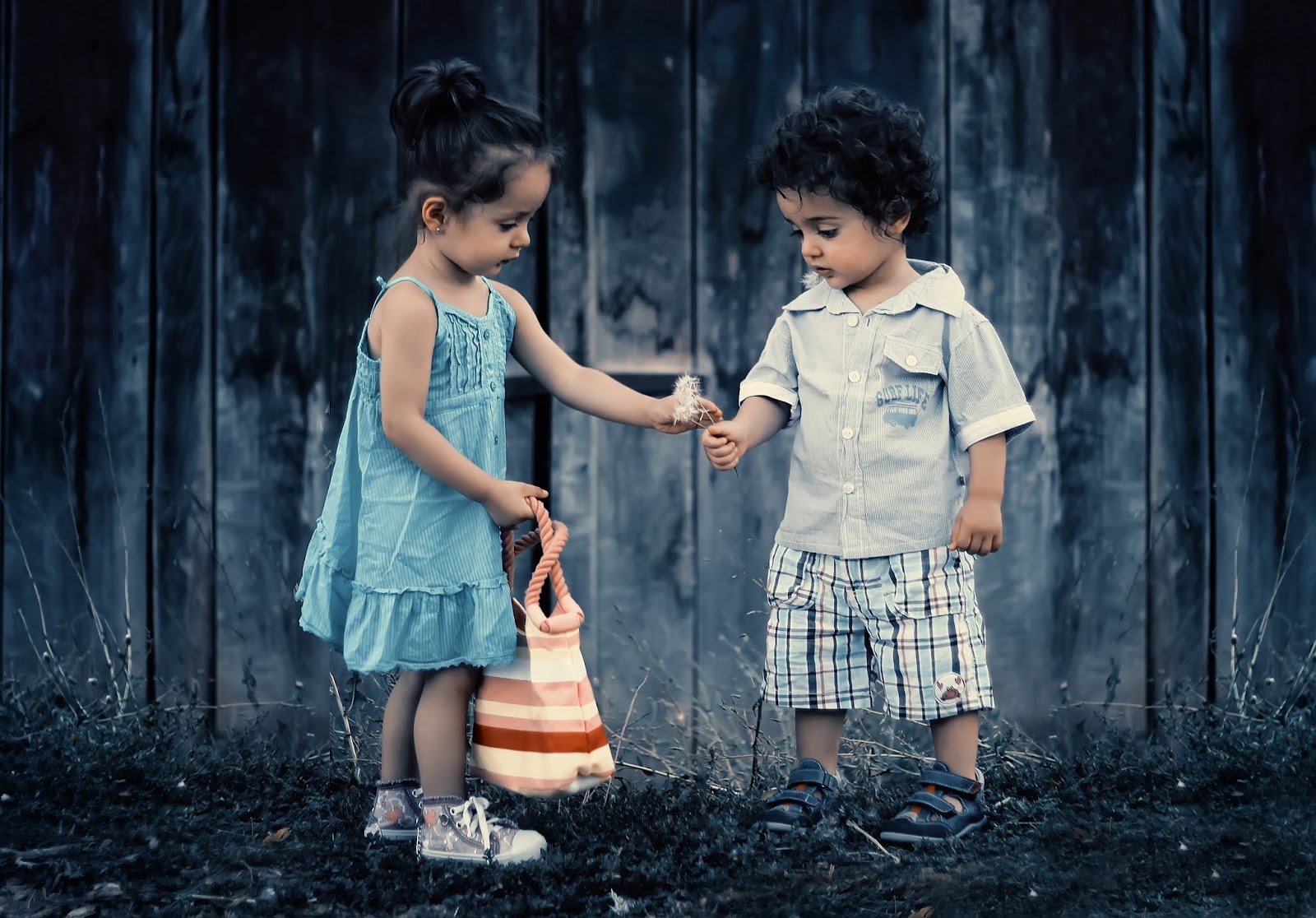
Happy Kids are playing Holi


होली एक लोकप्रिय प्राचीन हिंदू त्योहार है, जिसकी उत्पत्ति भारतीय उपमहाद्वीप से हुई है। यह मुख्य रूप से भारत में मनाया जाता है, लेकिन भारतीय उपमहाद्वीप से प्रवासी भारतीयों के माध्यम से एशिया के अन्य क्षेत्रों और पश्चिमी दुनिया के कुछ हिस्सों में भी फैल गया है। होली को लोकप्रिय रूप से भारतीय "वसंत का त्योहार", "रंगों का त्योहार", या "प्रेम का त्योहार" के रूप में जाना जाता है। त्योहार वसंत के आगमन, सर्दियों के अंत, प्यार के खिलने, और कई त्योहारों के दिन दूसरों से मिलने, खेलने और हंसने, भूलने और माफ करने और टूटे हुए रिश्तों की मरम्मत करने का प्रतीक है।


Holi Pooja Thali


त्योहार एक अच्छी वसंत फसल के मौसम की शुरुआत भी मनाते हैं। यह एक रात और एक दिन तक रहता है, विक्रम संवत कैलेंडर में गिरने वाले पूर्णिमा (पूर्णिमा के दिन) की शुरुआत, हिंदू कैलेंडर फाल्गुन महीने में होती है, जो ग्रेगोरियन कैलेंडर में मार्च के मध्य में आता है। पहली शाम को होलिका दहन (दानव होलिका जलाना) या छोटी होली के रूप में जाना जाता है और अगले दिन होली, रंगवाली होली, धुलेटी, धुलंडी या फगवा के रूप में जाना जाता है।


Viral Holi


होली एक प्राचीन हिंदू धार्मिक त्योहार है जो गैर-हिंदुओं के साथ-साथ दक्षिण एशिया के कई हिस्सों, साथ ही साथ एशिया के बाहर अन्य समुदायों के लोगों में लोकप्रिय हो गया है। भारत और नेपाल के अलावा, त्योहार भारतीय उपमहाद्वीप प्रवासी द्वारा जमैका, सूरीनाम, गुयाना, त्रिनिदाद और टोबैगो, दक्षिण अफ्रीका, मलेशिया, यूनाइटेड किंगडम, संयुक्त राज्य अमेरिका, कनाडा, मॉरीशस और फिजी जैसे देशों में मनाया जाता है। हाल के वर्षों में यह त्योहार यूरोप और उत्तरी अमेरिका के कुछ हिस्सों में प्रेम, उल्लास और रंगों के वसंत उत्सव के रूप में फैल गया है।


Indian Holi


होली की रात होली से एक दिन पहले होलिका दहन के साथ शुरू होती है, जहां लोग इकट्ठा होते हैं, अलाव के सामने धार्मिक अनुष्ठान करते हैं, और प्रार्थना करते हैं कि उनकी आंतरिक बुराई को नष्ट कर दिया जाए, जिस तरह से होलिका, राक्षस राजा हिरण्यकश्यप की बहन, आग में मारे गए थे । अगली सुबह रंगवाली होली के रूप में मनाई जाती है - रंगों का मुक्त त्योहार, जहां लोग एक-दूसरे को रंगों से सराबोर करते हैं और एक-दूसरे को मिठाई खिलाते हैं। पानी की बंदूकें और पानी से भरे गुब्बारे एक दूसरे को खेलने और रंग देने के लिए भी उपयोग किए जाते हैं। कोई भी और हर कोई निष्पक्ष खेल, दोस्त या अजनबी, अमीर या गरीब, आदमी या औरत, बच्चे और बुजुर्ग हैं। रंगों के साथ संघर्ष और लड़ाई सड़कों, खुले पार्कों, मंदिरों और इमारतों के बाहर होती है। 


समूह ड्रम और अन्य संगीत वाद्ययंत्र ले जाते हैं, एक स्थान से दूसरे स्थान पर जाते हैं, गाते हैं और नृत्य करते हैं। लोग परिवार, दोस्तों और दुश्मनों को एक-दूसरे पर रंगीन पाउडर फेंकने, हंसने और गपशप करने के लिए जाते हैं, फिर होली के व्यंजनों, भोजन और पेय साझा करते हैं। कुछ प्रथागत पेय में भांग (भांग से बनी) शामिल है, जो नशीली है। शाम के समय, सब्र करने के बाद, लोग कपड़े पहनते हैं और दोस्तों और परिवार से मिलने जाते हैं।

Saturday, 7 March 2020

March 07, 2020

International Women's Day (IWD) is observed every year on 8 March. It is the focal point of the movement for women's rights। अंतर्राष्ट्रीय महिला दिवस (IWD) हर साल 8 मार्च को मनाया जाता है। यह महिलाओं के अधिकारों के लिए आंदोलन का केंद्र बिंदु है।


अंतर्राष्ट्रीय महिला दिवस (IWD) हर साल 8 मार्च को मनाया जाता है। यह महिलाओं के अधिकारों के लिए आंदोलन का केंद्र बिंदु है 28 फरवरी, 1909 को न्यूयॉर्क शहर में सोशलिस्ट पार्टी ऑफ अमेरिका ने एक महिला दिवस का आयोजन किया, जिसके बाद जर्मन प्रतिनिधियों ने क्लारा ज़ेटकिन, केटी डनकेर और अन्य ने 1910 के अंतर्राष्ट्रीय समाजवादी महिला सम्मेलन में प्रस्तावित किया कि "विशेष महिला दिवस" ​​का आयोजन प्रतिवर्ष किया जाता है। 1917 में सोवियत रूस में महिलाओं के अत्याचार बढ़ने के बाद, 8 मार्च को वहां राष्ट्रीय अवकाश हो गया। यह दिन मुख्य रूप से समाजवादी आंदोलन और साम्यवादी देशों द्वारा मनाया गया जब तक कि इसे लगभग 1967 में नारीवादी आंदोलन ने नहीं अपनाया। संयुक्त राष्ट्र ने 1975 में इस दिवस को मनाना शुरू किया।


अंतर्राष्ट्रीय महिला दिवस की शुरूआत आज कुछ देशों में सार्वजनिक अवकाश होने से लेकर अन्य जगहों पर बड़े पैमाने पर अनदेखी की जा रही है। कुछ जगहों पर, यह विरोध का दिन है; दूसरों में, यह एक दिन है जो नारीत्व का जश्न मनाता है।

➽Affordable and premium web services for a lifetime with ADISHAKTI WEB SOLUTIONS

Thursday, 20 February 2020

February 20, 2020

Interesting fact about Maha Shivaratri, Maha Shivaratri is a Hindu festival celebrated annually in honour of Lord Shiva.


Adiyogi is located at the Isha Yoga center which houses the Dhyanalinga in Coimbatore, Tamil Nadu at the foothills of Velliangiri Mountains, a range in the Western Ghats. The height of the statue, 112 ft.


महा शिवरात्रि भगवान शिव के सम्मान में प्रतिवर्ष मनाया जाने वाला एक हिंदू त्योहार है, और विशेष रूप से, शिव के विवाह के उत्सव का दिन है। हिन्दू पंचांग के प्रत्येक लूनी-सौर मास में, महीने की 13 वीं रात / 14 वें दिन, पर शिवरात्रि होती है, लेकिन साल में एक बार देर से सर्दियों (फरवरी / मार्च, या फाल्गुन) में और ग्रीष्म के आगमन से पहले शिवरात्रि मनाते हैं। का अर्थ है "शिव की महान रात"।


यह हिंदू धर्म में एक प्रमुख त्यौहार है, और यह त्यौहार पवित्र है और जीवन और दुनिया में "अंधेरे और अज्ञान पर काबू पाने" की याद दिलाता है। यह शिव को याद करने और प्रार्थना, उपवास, और नैतिकता और दूसरों जैसे ईमानदारी, दूसरों के लिए गैर-चोट, दान, क्षमा और शिव की खोज पर ध्यान देने के द्वारा मनाया जाता है। उत्साही भक्त पूरी रात जागते रहते हैं। अन्य लोग शिव मंदिरों में से एक पर जाते हैं या ज्योतिर्लिंगम के तीर्थ यात्रा पर जाते हैं। यह एक प्राचीन हिंदू त्योहार है जिसकी मूल तिथि अज्ञात है।

कश्मीर शैव धर्म में, पर्व को कश्मीर क्षेत्र के शिव विश्वासियों द्वारा हर-रत्रि या ध्वनि को सरल बनाने वाला हेरथ या हेराथ कहा जाता है। इस त्योहार को चिह्नित करने के लिए कैनबिस की भी धुलाई की जाती है, खासकर नेपाल और भारत जैसे देशों में।


विवरण
चिंतन का पर्व
महाशिवरात्रि पर शिव की विग्रह रात्रि के दौरान,
हमें अंतराल के क्षण में लाया जाता है
विनाश और उत्थान के बीच;
यह रात का प्रतीक है
जब हमें उस पर मनन करना चाहिए
विकास को क्षय से बाहर देखता है।
महाशिवरात्रि के दौरान हमें अकेले रहना होगा
हमारी तलवार के साथ, शिव हमसे बाहर हैं।
हमें पीछे और पहले देखना होगा,
यह देखने के लिए कि हमारे दिल से क्या बुराई मिटती है,
पुण्य की वृद्धि को हमें प्रोत्साहित करने की आवश्यकता है।
शिव केवल हमारे बाहर ही नहीं, हमारे भीतर भी हैं।
अपने आप को एक स्वयं के साथ एकजुट करने के लिए
हम में शिव को पहचानना है।


महा शिवरात्रि एक वार्षिक त्योहार है जो हिंदू भगवान शिव को समर्पित है, और हिंदू धर्म की शैव धर्म परंपरा में विशेष रूप से महत्वपूर्ण है। अधिकांश हिंदू त्योहारों के विपरीत, जो दिन के दौरान मनाए जाते हैं, रात में महा शिवरात्रि मनाई जाती है। इसके अलावा, अधिकांश हिंदू त्यौहारों के विपरीत, जिनमें सांस्कृतिक रहस्योद्घाटन की अभिव्यक्ति शामिल है, महा शिवरात्रि एक गहन घटना है जो अपने आत्मनिरीक्षण पर ध्यान केंद्रित करने, उपवास, शिव पर ध्यान, आत्म अध्ययन, सामाजिक सद्भाव और शिव मंदिरों के लिए एक पूरी रात की सतर्कता के लिए उल्लेखनीय है।


इस उत्सव में एक "जागरण", रात-रात भर की सजगता और प्रार्थनाओं को शामिल करना शामिल है, क्योंकि शैव हिंदू इस रात को अपने जीवन और दुनिया में शिव के माध्यम से "अंधकार और अज्ञान पर काबू पाने" के रूप में चिह्नित करते हैं। शिव को फल, पत्ते, मिठाई और दूध चढ़ाया जाता है, कुछ लोग शिव की वैदिक या तांत्रिक पूजा के साथ पूरे दिन का उपवास करते हैं, और कुछ ध्यान योग करते हैं। शिव मंदिरों में, शिव के पवित्र मंत्र "ओम नमः शिवाय" का दिन में जाप किया जाता है।

महा शिवरात्रि हिंदू लूनी-सौर कैलेंडर के आधार पर तीन या दस दिनों में मनाई जाती है। हर चंद्र मास में एक शिवरात्रि (12 प्रति वर्ष) होती है। मुख्य त्यौहार महा शिवरात्रि, या महान शिवरात्रि कहा जाता है, जो 13 वीं रात (चंद्रमा को भटकने) और महीने के 14 वें दिन फाल्गुन में होती है। ग्रेगोरियन कैलेंडर में, दिन फरवरी या मार्च में पड़ता है।


इतिहास और महत्व
महाशिवरात्रि के महत्व को कई किंवदंतियां समझाती हैं, एक यह शिव की नृत्य की रात है।
महा शिवरात्रि का उल्लेख कई पुराणों, विशेषकर स्कंद पुराण, लिंग पुराण और पद्म पुराण में मिलता है। ये मध्यकालीन युग शैव ग्रंथ इस त्योहार से जुड़े विभिन्न संस्करणों को प्रस्तुत करते हैं, और शिव के प्रतीक जैसे लिंगम के लिए उपवास, श्रद्धा का उल्लेख करते हैं।


विभिन्न किंवदंतियों में महा शिवरात्रि के महत्व का वर्णन है। शैव मत परंपरा में एक कथा के अनुसार, यह वह रात है जब शिव सृष्टि, संरक्षण और विनाश का स्वर्गीय नृत्य करते हैं। भजनों का जाप, शिव शास्त्रों का पाठ और भक्तों के राग इस लौकिक नृत्य में शामिल होते हैं और हर जगह शिव की उपस्थिति को याद करते हैं। एक अन्य कथा के अनुसार, यह वह रात है जब शिव और पार्वती का विवाह हुआ था। एक अलग किंवदंती में कहा गया है कि शिवलिंग जैसे कि लिंग को अर्पित करना एक वार्षिक अवसर है, यदि किसी पापी मार्ग पर पुनः आरंभ करने और इस तरह से माउंट कैलाशा तक पहुंचने और मुक्ति के लिए पिछले पापों से छुटकारा पाने के लिए।

इस त्योहार पर नृत्य परंपरा के महत्व की ऐतिहासिक जड़ें हैं। महा शिवरात्रि को कोणार्क, खजुराहो, पट्टदकल, मोढेरा और चिदंबरम जैसे प्रमुख हिंदू मंदिरों में वार्षिक नृत्य समारोहों के लिए कलाकारों के ऐतिहासिक संगम के रूप में कार्य किया गया है। चिदंबरम मंदिर में इस आयोजन को नाट्यंजलि कहा जाता है, जिसका अर्थ है "नृत्य के माध्यम से पूजा", जो अपनी मूर्तिकला के लिए प्रसिद्ध है, जिसे प्राचीन हिंदू पाठ नाट्य शास्त्र नामक नृत्य कला में सभी नृत्य मुद्राएं दर्शाती हैं। इसी तरह, खजुराहो शिव मंदिरों में, महाशिवरात्रि पर एक प्रमुख मेला और नृत्य महोत्सव, जिसमें शैव तीर्थयात्री मंदिर परिसर के चारों ओर मीलों तक डेरा डालते हैं, 1864 में अलेक्जेंडर कनिंघम द्वारा प्रलेखित किया गया था।


महा शिवरात्रि और तंत्र
महा शिवरात्रि वह दिन माना जाता है जब आदियोगी या पहले गुरु ने अपनी चेतना को अस्तित्व के भौतिक स्तर पर जागृत किया। तंत्र के अनुसार, चेतना के इस स्तर पर, कोई भी उद्देश्य अनुभव नहीं होता है और मन को स्थानांतरित किया जाता है। ध्यानी समय, स्थान और कार्य को स्थानांतरित करता है। यह आत्मा की सबसे चमकदार रात मानी जाती है, जब योगी शुन्य या निर्वाण की अवस्था को प्राप्त कर लेता है, जो अवस्था समाधि या प्रदीप्ति को सफल करती है।

कहानियाँ और विश्वास
इस शुभ घटना के साथ कई कहानियां और मान्यताएं जुड़ी हुई हैं।


समुंद्र मंथन
ऐसा माना जाता है कि इस विशेष दिन पर भगवान शिव ने समुद्र मंथन के दौरान उत्पन्न हलाहल को अपने गले में धारण किया और उसे गले में धारण किया जो नीला हो गया और नीला हो गया, जिसके बाद उसका नाम नील कंठ रखा गया। यह भी माना जाता है कि प्रसिद्ध नीलकंठ महादेव मंदिर वह स्थान है जहां यह घटना हुई थी या जहां भगवान शिव ने अंधेरे पदार्थ के रूप में जहर का सेवन किया और ब्रह्मांड को बचाया।

➽Affordable and premium web services for a Blogger with ADISHAKTI PRO BLOG

Wednesday, 19 February 2020

February 19, 2020

यदि आप छत्रपति शिवाजी महाराज के प्रशंसक हैं, तो आपको छत्रपति शिवाजी महाराज के बारे में गहरी जानकारी होनी चाहिए, यह त्योहार 19 फरवरी को मराठा सम्राट, छत्रपति शिवाजी महाराज की जयंती के रूप में मनाया जाता है।


Statue of Shivaji at Raigad Fort


शिव जयंती या शिवाजी जयंती भारतीय राज्य महाराष्ट्र का एक त्योहार और सार्वजनिक अवकाश है। यह त्योहार 19 फरवरी को मराठा सम्राट, छत्रपति शिवाजी की जयंती के रूप में मनाया जाता है। यह त्यौहार महाराष्ट्र के बाहर कुछ हद तक मनाया जाता है। कुछ लोग इस दिन को महाराष्ट्र में हिंदू कैलेंडर के द्वारा मनाते हैं।

इतिहास
वर्ष 1869 में, महात्मा ज्योतिराव फुले ने रायगढ़ पर शिवाजी महाराज की समाधि की खोज की और अपने जीवन का पहला और सबसे लंबा गाथा लिखा। शिव जयंती की शुरुआत महात्मा ज्योतिराव फुले ने 1870 में पुणे में पहली घटना के साथ की थी। तब से शिव जयंती का बड़े पैमाने पर विस्तार हुआ। इसके बाद, शिव जयंती के माध्यम से बाल गंगाधर तिलक ने ब्रिटिश विरोध के दौरान लोगों को एकजुट करने का काम किया। 20 वीं शताब्दी में, बाबासाहेब अंबेडकर ने शिव जयंती भी मनाई, जो शिव जयंती के कार्यक्रम के दो बार अध्यक्ष थे।

शिवाजी महाराज के बारे में
शिवाजी भोसले I एक भारतीय योद्धा-राजा और भोंसले मराठा कबीले के सदस्य थे। शिवाजी ने बीजापुर के घटते आदिलशाही सल्तनत से एक एनक्लेव को उकेरा जो मराठा साम्राज्य की उत्पत्ति का कारण बना। 1674 में, उन्हें औपचारिक रूप से रायगढ़ में अपने क्षेत्र के छत्रपति (सम्राट) के रूप में ताज पहनाया गया।

अपने जीवन के दौरान, शिवाजी ने मुगल साम्राज्य, गोलकुंडा की सल्तनत और बीजापुर की सल्तनत के साथ-साथ यूरोपीय औपनिवेशिक शक्तियों के साथ गठजोड़ और शत्रुता दोनों में संलग्न रहे। शिवाजी के सैन्य बलों ने मराठा क्षेत्र पर प्रभाव, कब्जा और इमारतें बनाने और मराठा नौसेना बनाने का विस्तार किया। शिवाजी ने अच्छी तरह से संरचित प्रशासनिक संगठनों के साथ एक सक्षम और प्रगतिशील नागरिक शासन की स्थापना की। उन्होंने प्राचीन हिंदू राजनीतिक परंपराओं और अदालती सम्मेलनों को पुनर्जीवित किया और अदालत और प्रशासन में फारसी भाषा के बजाय मराठी और संस्कृत के उपयोग को बढ़ावा दिया।

शिवाजी की विरासत को पर्यवेक्षक और समय के अनुसार अलग-अलग करना था लेकिन उन्होंने भारतीय स्वतंत्रता आंदोलन के उद्भव के साथ और अधिक महत्व रखना शुरू कर दिया, क्योंकि कई ने उन्हें एक राष्ट्रवादी और हिंदुओं के नायक के रूप में उभार दिया। विशेष रूप से महाराष्ट्र में, उनके इतिहास और भूमिका पर बहस ने बहुत जुनून पैदा किया है और कभी-कभी हिंसा के रूप में भी असमान समूहों ने उनकी और उनकी विरासत की आलोचना की है।

प्रारंभिक जीवन
शिवाजी का जन्म पुणे जिले के जुन्नार शहर के पास, शिवनेरी के पहाड़ी किले में हुआ था। विद्वान उनकी जन्म तिथि से असहमत हैं। महाराष्ट्र सरकार 19 फरवरी को शिवाजी के जन्म (शिवाजी जयंती) के उपलक्ष्य में अवकाश के रूप में सूचीबद्ध करती है। शिवाजी का नाम एक स्थानीय देवता, शिवई देवी के नाम पर रखा गया था। शिवाजी के पिता शाहजी भोंसले एक मराठा सेनापति थे, जिन्होंने दक्खन सल्तनत की सेवा की। उनकी माता जीजाबाई थीं, सिंधखेड़ के लखूजी जाधवराव की बेटी, मुगल-संस्कारित सरदार, जो देवगिरी के यादव शाही परिवार से वंश का दावा करते थे।

शिवाजी के जन्म के समय, दक्कन में सत्ता तीन इस्लामिक सल्तनतों द्वारा साझा की गई थी: बीजापुर, अहमदनगर और गोलकुंडा। शाहजी ने अक्सर अहमदनगर के निज़ामशाही, बीजापुर के आदिलशाह और मुगलों के बीच अपनी निष्ठा को बदल दिया, लेकिन पुणे और उनकी छोटी सेना पर हमेशा अपनी जागीर (जागीर) बनाए रखी।

लालन - पालन
शिवाजी अपनी माता जीजाबाई के प्रति समर्पित थे, जो गहरी धार्मिक थीं। हिंदू महाकाव्यों, रामायण और महाभारत के उनके अध्ययन ने भी हिंदू मूल्यों की उनकी आजीवन रक्षा को प्रभावित किया। वे धार्मिक शिक्षाओं में गहरी रुचि रखते थे, और नियमित रूप से हिंदू संतों की कंपनी की मांग करते थे। इस बीच, शाहजी ने मोहित परिवार से दूसरी पत्नी तुका बाई से शादी कर ली थी। मुगलों के साथ शांति बनाए रखने के बाद, उन्होंने छह किलों को काटकर, बीजापुर की सल्तनत की सेवा करने के लिए चले गए। उन्होंने शिवाजी और जीजाबाई को शिवनेरी से पुणे स्थानांतरित कर दिया और उन्हें अपने जागीर प्रशासक, दादोजी कोंडदेव की देखभाल में छोड़ दिया, जिन्हें युवा शिवाजी की शिक्षा और प्रशिक्षण की देखरेख करने का श्रेय दिया गया है।

शिवाजी के कई साथी, और बाद में उनके कई सैनिक मावल क्षेत्र से आए, जिनमें ययाजी कांक, सूर्यजी काकड़े, बाजी पासलकर, बाजी प्रभु देशपांडे और तानाजी माललारे शामिल थे। शिवाजी ने अपने मावल मित्रों के साथ सहयाद्रि पर्वत की पहाड़ियों और जंगलों की यात्रा की, उस ज़मीन के साथ कुशलता और परिचितता हासिल की जो उनके सैन्य करियर में उपयोगी साबित होगी। [उद्धरण वांछित] शिवाजी की स्वतंत्र भावना और मावल युवकों के साथ उनका जुड़ाव अच्छा नहीं रहा। दादोजी, जिन्होंने शाहजी की सफलता के बिना शिकायत की।

1639 में, शाहजी बंगलौर में तैनात थे, जिन्हें विजयनगर साम्राज्य के निधन के बाद नियंत्रण प्राप्त करने वाले नायक से विजय प्राप्त हुई थी। उन्हें क्षेत्र को पकड़ने और बसने के लिए कहा गया था। शिवाजी को बंगलौर ले जाया गया जहाँ वे, उनके बड़े भाई संभाजी, और उनके सौतेले भाई ईकोजी I को औपचारिक रूप से प्रशिक्षित किया गया। उन्होंने 1640 में प्रमुख निंबालकर परिवार से साईबाई से शादी की। 1645 की शुरुआत में, किशोर शिवाजी ने एक पत्र में हिंदवी स्वराज्य (भारतीय स्व-शासन) के लिए अपनी अवधारणा व्यक्त की।

➽Affordable and premium web services for a lifetime with ADISHAKTI WEB SOLUTIONS

Tuesday, 24 December 2019

December 24, 2019

You Should Know Unknown facts about Christmas, World celebrating Christmas day, Wednesday, 25 December, 2019


Christmas is an annual festival commemorating the birth of Jesus Christ, observed primarily on December 25 as a religious and cultural celebration among billions of people around the world. A feast central to the Christian liturgical year, it is preceded by the season of Advent or the Nativity Fast and initiates the season of Christmastide, which historically in the West lasts twelve days and culminates on the Twelfth Night; in some traditions, Christmastide includes an octave. Christmas Day is a public holiday in many of the world's nations, is celebrated religiously by a majority of Christians, as well as culturally by many non-Christians, and forms an integral part of the holiday season centred around it.


The traditional Christmas narrative, the Nativity of Jesus, delineated in the New Testament says that Jesus was born in Bethlehem, in accordance with messianic prophecies. When Joseph and Mary arrived in the city, the inn had no room and so they were offered a stable where the Christ Child was soon born, with angels proclaiming this news to shepherds who then further disseminated the information.


Although the month and date of Jesus' birth are unknown, the church in the early fourth century fixed the date as December 25. This corresponds to the date of the winter solstice on the Roman calendar. Most Christians celebrate on December 25 in the Gregorian calendar, which has been adopted almost universally in the civil calendars used in countries throughout the world. However, some Eastern Christian Churches celebrate Christmas on December 25 of the older Julian calendar, which currently corresponds to a January date in the Gregorian calendar. For Christians, believing that God came into the world in the form of man to atone for the sins of humanity, rather than knowing Jesus' exact birth date, is considered to be the primary purpose in celebrating Christmas.


The celebratory customs associated in various countries with Christmas have a mix of pre-Christian, Christian, and secular themes and origins. Popular modern customs of the holiday include gift-giving; completing an Advent calendar or Advent wreath; Christmas music and carolling; viewing a Nativity play; an exchange of Christmas cards; church services; a special meal; and the display of various Christmas decorations, including Christmas trees, Christmas lights, nativity scenes, garlands, wreaths, mistletoe, and holly. In addition, several closely related and often interchangeable figures, known as Santa Claus, Father Christmas, Saint Nicholas, and Christkind, are associated with bringing gifts to children during the Christmas season and have their own body of traditions and lore. Because gift-giving and many other aspects of the Christmas festival involve heightened economic activity, the holiday has become a significant event and a key sales period for retailers and businesses. The economic impact of Christmas has grown steadily over the past few centuries in many regions of the world.


Friday, 24 August 2018

August 24, 2018

Do you like to know more about Raksha Bandhan! it is the festival of the lovable relationship between brother & sister.


Raksha Bandhan, also Rakshabandhan, or simply Rakhi, is a festival of the Indian subcontinent, or by people originating from the Indian subcontinent, and centred around the tying of a thread, talisman, or amulet on the wrist as a form of bond and ritual protection. The festive ritual is one principally between brothers and sisters, observed both before and after she gets married thereby marking her continued relationship with her natal home and brothers. The rite is also found between priests and patrons, and sometimes by individuals to real or potential benefactors. Differing versions of the rite have been traditionally performed by Hindus in northern India, western India, Nepal, and former colonies of the British Empire to which Hindus had emigrated from India in the 19th-century, and have included, in addition, rites with names rendered as Salerno, Silano, and Rakhi. The rituals associated with these rites, however, have spread beyond their traditional regions to much of India and have been transformed through technology and migration, the movies, social interaction, and promotion by politicized Hinduism, as well as as an occasion of national solidarity and state tradition.


A rakhi being tied during Raksha Bandhan


Raksha Bandhan is observed on the last day of the Hindu lunar calendar month of Shraavana, which typically falls in August. On this day, sisters of all ages tie a talisman, or amulet, called the rakhi, around the wrists of their brothers, ritually affirming the bond and support of her brothers, receiving a gift from them in return, and traditionally investing the brothers with a share of the responsibility of their potential care. The expression "Raksha Bandhan," Sanskrit, literally, "the bond of protection, obligation, or care," is now principally applied to this ritual. It has also applied to a similar ritual in which a domestic priest ties string bracelets on the wrists of his patrons and receives gifts of money. A ritual associated with Salerno includes the sisters placing shoots of barley behind the ears of their brothers.


A sister facing her brother, and holding an aarti tray with rakhis.


Of special significance to married women, Raksha Bandhan is rooted in the practice of territorial exogamy, in which a bride marries out of her natal village or town, and her parents, by custom, do not visit her in her married home. In rural north India, where territorial exogamy is strongly prevalent, large numbers of married Hindu women travel back to their parents' homes every year for the ceremony. Their brothers, who typically live with the parents or nearby, sometimes travel to their sisters' married home to escort them back. Many younger married women arrive a few weeks earlier at their natal homes and stay until the ceremony. The brothers serve as lifelong intermediaries between their sisters' married- and parental homes, as well as potential stewards of their security.


A woman shopping for the rakhi thread


Among women and men who are not blood relatives, there is also a transformed tradition of voluntary kin relations, achieved through the tying of rakhi amulets, which have cut across caste and class lines, and Hindu and Muslim divisions. In some communities or contexts, other figures, such as a matriarch, or a person in authority, can be included in the ceremony in ritual acknowledgement of their benefaction. Raksha Bandhan is also celebrated by Hindu communities in other parts of the world. Although rooted in Hindu culture, the festival has no traditional prayers unambiguously associated with it. The religious myths claimed for it is disputed, and the historical stories associated with it considered apocryphal by some historians. More recently, after enactment of more gender-neutral inheritance laws in India, it has been suggested that in some communities the festival has seen a resurgence of celebration, which is serving to indirectly pressure women to abstain from fully claiming their inheritance.


Etymology


Rajendra Prasad, the first president of the Republic of India celebrating Raksha Bandhan at the presidential palace, Rashtrapati Bhawan in New Delhi, 24 August 1953

According to R. S. McGregor's Oxford Hindi-English Dictionary, 1993, the name of the festival, the masculine Hindi noun rakśābandhan is composed of the Sanskrit loanword rakśā, a feminine noun, which means, "protection," "preservation," or "care." and a second Sanskrit loanword Bandhan, a masculine noun, which means "fastening," or "tying together." According to V. S. Apte's Revised Practical Sanskrit-English Dictionary, 1957–1959, रक्षा pronounced rakṣā means, "protection," "preservation," or "guarding;" बन्धन pronounced, "bandhana," means "The act of binding, fastening, tying."


a sister with aarti plate tying rakhi


According to McGregor, the Hindi feminine noun, rākhī, (which is compared etymologically to rakśā described above) is a "protective talisman: a piece of thread etc., with a rosette, tied ceremoniously round a protector or patron's wrist on the full moon of the month Srāvan: especially by a sister round a brother's wrist, when the brother gives a small gift of money." In contrast, Apte defines one of the secondary meaning of रक्षा (rakṣā) to be: "A piece of silk or thread fastened round the wrist on particular occasions, especially on the full-moon day of Śrāvaṇa, as an amulet or preservative; (रक्षी (rakṣī) also in this sense).

According to Jack Goody, rakśābandhan is "cognate with the Sanskrit name for marriage, saṃbandhan, where the common element bandhan (Sanskrit: bandhá) refers to the act of tying. The ceremonies are complementary. Marriage (sam, reciprocally) ties spouses; 


a sister and brother with thread and gift


The typical Raksha Bandhan festival as observed between brother-sister starts with the sister(s) selecting a colourful rakhi, a form of a woven bracelet, ahead of the festival. On the day of the festival, she meets her biological brother(s), cousins, or adopted brother-like friend, along with the whole family. In parts of north India, women may travel to visit their brothers, typically their natal homes. She ties the rakhi on his wrist on the Raksha Bandhan day. After the band is in place, the brother and the sister pray. The sister applies a tilak (tikka), a colourful mark on the forehead of the brother. After the tilak, she performs an aarti wishing him a long healthy life. In return, the brother pledges to protect her and take care of his sister under all circumstances. The brother may give his sister(s) gifts or some money, and they may also feed each other with sweets, dry fruits and other seasonal delicacies. According to Jack Goody, these traditional rituals connote "a symbol of mutual dependence and a mark of respect" between the brother and the sister. The brother, states Goody, may wear the rakhi thread for many weeks through the Diwali, or just for the day or two.


Myths and legends

The literary works of Hinduism are peppered with stories of rakhi and Raksha Bandhan. Some of these include:


Indra Dev

According to Bhavishya Purana, in the war between gods and demons, Indra – the deity of sky, rains and thunderbolts – was disgraced by the powerful demon King Bali. Indra’s wife Sachi consulted Vishnu, who gave her a bracelet made of cotton thread, calling it holy. Sachi tied the holy thread around Indra wrist, blessed with her prayers for his well being and success. Indra successfully defeated Bali and recovered Amaravati. This story inspired the protective power of the holy thread. The story also suggests that the Raksha Bandhan thread in ancient India were amulets, used by women as prayers and to guard men going to war and that these threads were not limited to sister-brother like relationships.


King Bali and Goddess Lakshmi

According to Bhagavata Purana and Vishnu Purana, after Vishnu won the three worlds from the demon King Bali, Bali asked Vishnu to stay with him in his palace, a request Vishnu granted. Vishnu's wife, Goddess Lakshmi did not like the palace or his newfound friendship with Bali and preferred that her husband and she return to Vaikuntha. So she went to Bali, tied a rakhi and made him a brother to her. Bali asked her what gift she desired. Lakshmi asked that Vishnu be freed from the request that he live in Bali's palace. Bali consented, as well accepted her as his sister.


Santoshi Maa

Ganesha had two sons, Shubha and Labha. The two boys become frustrated that they have no sister to celebrate Raksha Bandhan with. They ask their father Ganesha for a sister, but to no avail. Finally, saint Narada appears who persuades Ganesha that a daughter will enrich him as well as his sons. Ganesha agreed, and created a daughter named Santoshi Maa by divine flames that emerged from Ganesh's wives, Riddhi (Amazing) and Siddhi (Perfection). Thereafter, Shubha Labha (literally "Holy Profit") had a sister named Santoshi Maa (literally "Goddess of Satisfaction"), to tie Rakhi over Raksha Bandhan.


Krishna and Draupadi

In the epic Mahabharat, Draupadi tied a rakhi on Krishna, while Kunti tied her rakhi on her grandson Abhimanyu, before the great war.


Yama and the Yamuna

According to another legend, Yama, the God of Death, had not visited his sister Yamuna for 12 years. The Yamuna was sad and consulted Ganga. Ganga reminded Yama of his sister, upon which Yama visits her. The Yamuna was overjoyed to see her brother and prepared a bounty of food for Yama. The god Yama was delighted and asked the Yamuna what she wanted for a gift. She wished that he, her brother should return and see her again soon. Yama was moved by his sister's love, agreed and to be able to see her again, and made river Yamuna immortal. This legend is the basis for a Raksha Bandhan-like festival called Bhai Duj in some parts of India, which also celebrates brother-sister love, but near Diwali.


History


Rakhi threads for sale in India

Raksha Bandhan is an ancient festival of the Indian subcontinent, and its history dates back thousands of years.


Alexander the Great and King Puru

According to one legendary narrative, when Alexander the Great invaded India in 326 BCE, Roxana (or Roshanak, his wife) sent a sacred thread to Porus, asking him not to harm her husband in battle. In accordance with tradition, Porus, the king of Kaikeya kingdom, gave full respect to the rakhi. In the Battle of the Hydaspes, when Porus saw the rakhi on his own wrist and restrained himself from attacking Alexander personally.


Rani Karnavati and Emperor Humayun

Another controversial historical account is that of Rani Karnavati of Chittor and Mughal Emperor Humayun, which dates to 1535 CE. When Rani Karnavati, the widowed queen of the king of Chittor, realised that she could not defend against the invasion by the Sultan of Gujarat, Bahadur Shah, she sent a rakhi to Emperor Humayun. The Emperor, according to one version of the story, set off with his troops to defend Chittor. He arrived too late, and Bahadur Shah had already captured the Rani's fortress. Alternative accounts from the period, including those by historians in Humayun's Mughal court, do not mention the rakhi episode and some historians have expressed scepticism whether it ever happened. Humayun's own memoirs never mention this and give different reasons for his war with Sultan Bahadur Shah of Gujarat in 1535.

Wikisource has original text related to this article:
'The Raki' in 'The Zenana'. by L. E. L.
This is the story included by Letitia Elizabeth Landon in her long poem The Zenana within Fisher's Drawing Room Scrap Book, 1834.

Muslim commentators in modern era publications mention this story as evidence of Muslim-Hindu communal ties in the past.

Rabindranath Tagore and the Bengal partition of 1905
Rabindranath Tagore, the Indian Nobel Laureate for literature, invoked Raksha Bandhan and rakhi as concepts to inspire love, respect and a vow of mutual protection between Hindus and Muslims during India's colonial era. In 1905, the British empire divided Bengal, a province of British India on the basis of religion. Rabindra Nath Tagore arranged a ceremony to celebrate Raksha Bandhan to strengthen the bond of love and togetherness between Hindus and Muslims of Bengal and urge them to together protest the British empire. He used the idea of Raksha Bandhan to spread the feeling of brotherhood. In 1911, the British colonial empire reversed the partition and unified Bengal, a unification that was opposed by Muslims of Bengal. Ultimately, Tagore's Raksha Bandhan-based appeals were unsuccessful. Bengal not only was split during the colonial era, one part became modern Bangladesh and predominantly Muslim country, the other a largely Hindu Indian state of West Bengal. Rabindranath Tagore started Rakhi Mahotsavas as a symbol of Bengal unity, and as a larger community festival of harmony. In parts of West Bengal, his tradition continues as people tie rakhis to their neighbours and close friends.

One of Tagore's poem invoking rakhi is:

The love in my body and heart
For the earth's shadow and light
Has stayed over the years.

With its cares and its hope, it has thrown
A language of its own
Into blue skies.

It lives in my joys and glooms
In the spring night's buds and blooms
Like a Rakhi-band
On the Future's hand.


Sikh history

In the 18th century, states Arvind-Pal Singh Mandair, Sikh Khalsa armies introduced the term Rakhi (Raksha Bandhan) as a promise of protection to peasant farmers from Afghan invaders, often in exchange for sharing a small cut of their farm produce.

Maharaja Ranjit Singh was the founder and ruler of the Sikh Empire, and he observed Raksha Bandhan festival. His wife Maharani Jindan sent a Rakhi to the ruler of Nepal, who accepted her as sister and gave her refuge in the Hindu kingdom of Nepal in 1849 after the collapse of the Sikh Empire and annexation of its territories by the British.

Sikhs have observed Raksha Bandhan festival and has sometimes been referred to as Rakhardi (literally, wristband) or Rakhari in historic Sikh texts. Like the Hindu tradition, the festival has involved the tying of the rakhi and giving of gifts. An annual fair is held on Raksha Bandhan at Baba Bakala in Amritsar district.


Multi-culturalism and activism

Some Muslims in India view it a secular, multicultural festival. Raksha Bandhan has also been adopted by the Christian community in India who view it as a festival of historical and social importance.

In 2015, men tied rakhis on women seeking protection from the ‘misuse’ of section 498A of the Indian Penal Code. "Society has gone through massive changes in the last few decades and men are now considered on the same platform with women. Why should laws show discrimination against them?" asked Amartya Talukdar, founder member of Hridaya, an NGO working for gender neutrality.


Total Pageviews